
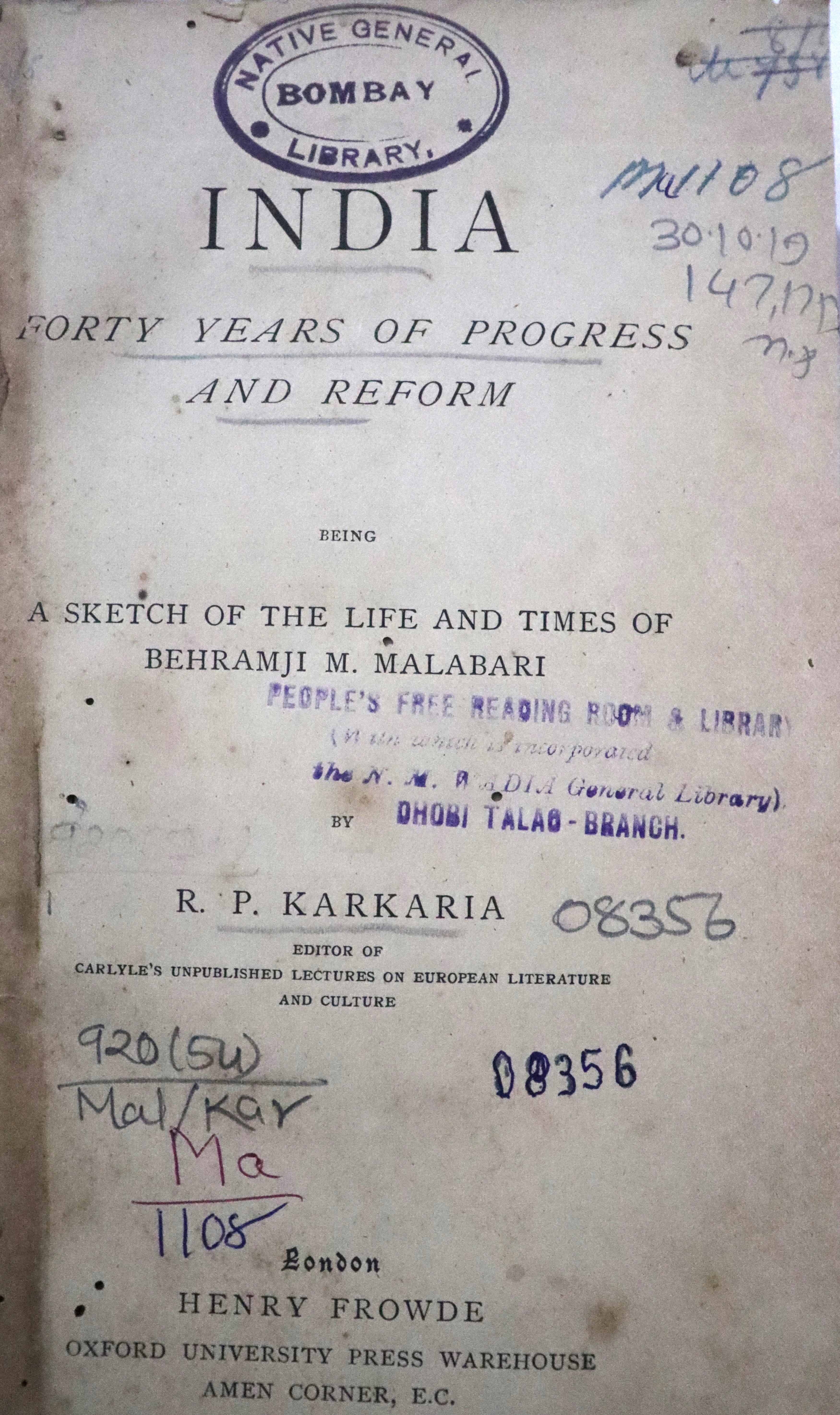
India : Forty years of Progress and Freedom
About
Summary
Exquisite
TOC
Details
URL
Images
Overview
Karkaria’s work is structured as a chronological and thematic exploration of India’s evolution over forty years, focusing on the period roughly from the 1900s to 1947. The book begins by setting the historical context of British India, describing the socio-economic conditions and the early stirrings of reform and nationalism.The narrative then moves through key developments such as the rise of Indian political consciousness, the formation and growth of the Indian National Congress, and the emergence of leaders who shaped the freedom movement. Karkaria pays particular attention to the social reform movements that sought to address issues like caste discrimination, women’s rights, and education.The book also covers economic progress, including industrialization, infrastructure development, and agricultural reforms, while acknowledging the limitations imposed by colonial policies. It discusses the impact of World War I and II on India’s political landscape and the intensification of demands for self-rule.Karkaria concludes with reflections on the imminent independence of India, the challenges of partition, and the hopes for a free and progressive nation.
Importance of Book
India: Forty Years of Progress and Freedom is important as a contemporaneous account of India’s transformation during a critical period. Published in the year of India’s independence, it captures the optimism, struggles, and complexities of the era with immediacy and insight.The book serves as a valuable resource for understanding the multifaceted nature of India’s progress—not just political freedom but social and economic development as well. It provides a balanced perspective, acknowledging achievements while critically examining ongoing challenges.Karkaria’s work is also significant for its role in informing international audiences about India’s journey, helping to contextualize the country’s independence within broader global developments.
Key Themes
Political Awakening and NationalismThe book traces the growth of Indian nationalism, highlighting the role of the Indian National Congress and other political organizations. It discusses key events like the Non-Cooperation Movement, Civil Disobedience, and Quit India Movement, emphasizing the increasing unity and political maturity of Indians.Social Reform and ProgressKarkaria details efforts to reform social practices, including campaigns against untouchability, child marriage, and for women’s education and empowerment. The book underscores the role of reformers and social leaders in modernizing Indian society.Economic Development and ChallengesThe narrative covers industrial growth, expansion of railways, and improvements in agriculture. However, it also critiques colonial economic policies that favored British interests and hindered India’s full economic potential.Cultural RenaissanceThe book highlights the revival of Indian arts, literature, and education, noting the contributions of figures like Rabindranath Tagore and the establishment of institutions promoting Indian culture and learning.Impact of World WarsKarkaria discusses how the two World Wars affected India politically and economically, accelerating demands for independence and exposing contradictions in British colonial rule.Path to IndependenceThe final chapters focus on the negotiations, political struggles, and communal tensions leading to independence and partition, reflecting the complexity of India’s transition to freedom.
Cultural Significance
The book reflects the cultural awakening that paralleled India’s political struggle. It documents how Indian identity was being reshaped through education, literature, and social reform, fostering a sense of pride and unity.By highlighting the contributions of reformers, artists, and intellectuals, Karkaria emphasizes the cultural foundations of India’s freedom movement. The book thus serves as a testament to the intertwined nature of cultural and political progress.Its publication in London also symbolizes the bridging of colonial and Indian perspectives, contributing to cross-cultural understanding during a pivotal historical moment.
Effects on Society
At the time of its publication, India: Forty Years of Progress and Freedom contributed to the discourse on India’s future by providing a comprehensive overview of its recent past. It helped shape public understanding of the independence movement’s achievements and the challenges ahead.The book reinforced the narrative of India as a nation capable of self-governance and modernization, bolstering confidence among Indians and sympathizers abroad.It also served as an educational tool, used by scholars, policymakers, and the general public to grasp the complexities of India’s socio-political landscape.
Conclusion
R.P. Karkaria’s India: Forty Years of Progress and Freedom is a seminal work that chronicles India’s journey through a transformative era marked by reform, struggle, and eventual independence. Through detailed analysis and narrative, the book captures the spirit of a nation on the brink of freedom.Its key contribution lies in presenting a holistic view of progress—political, social, economic, and cultural—while acknowledging the difficulties faced under colonial rule. The book remains a valuable historical document that offers insights into the forces that shaped modern India.In conclusion, India: Forty Years of Progress and Freedom stands as an important testament to India’s resilience and aspirations. It invites readers to appreciate the complexity of nation-building and the enduring quest for freedom and progress.
Exquisite
India: Forty Years of Progress and Freedom by R.P. Karkaria, published by Henry Frowde, London, in 1947, is a comprehensive historical and socio-political account that traces India’s journey through four decades of reform, development, and the struggle for independence. The book offers a detailed narrative of the transformations India underwent from the late 19th century up to the cusp of its independence in 1947. It highlights the progress made in various spheres—social, political, economic, and cultural—while also reflecting on the challenges faced by the country under British colonial rule.
Title
India : Forty years of Progress and Freedom
Author
RP Karkaria
Name of Publisher
Henry Frowde, London
Publish Date
1947