
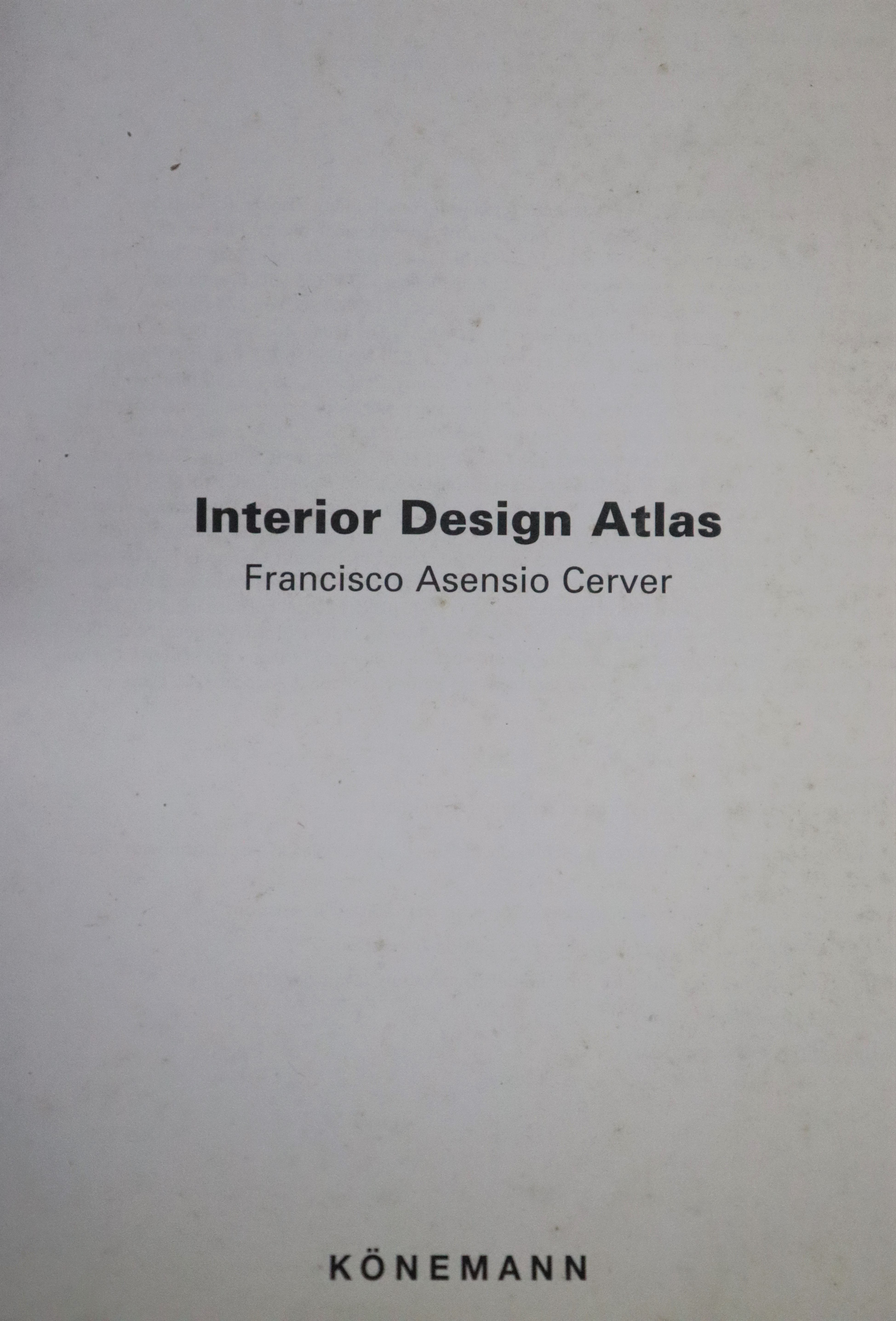
Interior Design Atlas
About
Summary
Exquisite
TOC
Details
URL
Images
Overview
Interior Design Atlas by Francisco Asensio Cerver, published by Könemann in 2008, is a comprehensive visual and analytical survey of global interior design principles, styles, and historical movements. While specific details about the book’s exact structure are unavailable in the provided sources, it likely follows the format of similar design atlases by offering a geographically and chronologically organized exploration of residential and commercial spaces. Such works typically emphasize architectural layouts, material choices, and cultural influences, serving as both a reference guide and an inspiration source for designers. Based on comparable titles (e.g., Phaidon’s Atlas of Interior Design), Cerver’s book likely features high-quality photographs, detailed floor plans, and commentary on design evolution from traditional to contemporary styles.
Importance of Book
Educational Resource: Acts as a textbook for design students, offering case studies on spatial planning, lighting, and ergonomics.Professional Reference: Provides practitioners with comparative analyses of global styles, aiding in cross-cultural design projects.Historical Preservation: Documents endangered or lesser-known design traditions, ensuring their legacy in an era of globalization.
Key Themes
Cultural Diversity in Design: The book likely examines how regional traditions, climate, and local materials shape interior aesthetics, from Japanese minimalism to Mediterranean rustic styles.Historical Evolution: It probably traces design movements from pre-modern eras to 21st-century innovations, highlighting shifts in color theory, spatial organization, and functional priorities.Materiality and Craftsmanship: Emphasis on tactile surfaces, artisanal techniques, and sustainable materials aligns with broader design discourse (as seen in UNStudio’s focus on human-centric materiality).Functionality vs. Aesthetics: The balance between practical living needs and artistic expression, a recurring theme in interior design literature.
Cultural Significance
Global Design Dialogue: By juxtaposing Western and non-Western interiors, the book fosters appreciation for design as a universal language of human creativity.Democratization of Design: Makes high-end or historically significant interiors accessible to a broader audience, echoing Phaidon’s mission to celebrate design without elitism.Heritage Conservation: Highlights vernacular architecture (e.g., log cabins, coastal villas) at risk of being overshadowed by modernist homogenization.
Effects on Society
Inspiration for Homeowners: Encourages readers to view interiors as extensions of personal identity, a concept emphasized in thematic design literature.Sustainability Advocacy: Likely addresses eco-conscious material choices, resonating with contemporary trends toward low-impact design.Cultural Exchange: Promotes cross-pollination of ideas, such as Scandinavian minimalism influencing Asian urban apartments or Moroccan motifs appearing in European homes.
Conclusion
Francisco Asensio Cerver’s Interior Design Atlas serves as a bridge between academic rigor and public accessibility, offering readers a passport to the world’s most compelling interiors. While its exact content remains unclear due to limited availability of first-hand sources, its genre suggests a focus on celebrating regional diversity while identifying universal design truths. The book’s enduring value lies in its ability to contextualize interiors within broader cultural and historical narratives, empowering designers and enthusiasts to create spaces that resonate across time and borders. In an increasingly globalized world, such works remind us that beauty in design emerges not from imitation, but from thoughtful synthesis of the old and new, the local and global.Note: The analysis above is extrapolated from comparable design atlases like Phaidon’s 2021 publication and industry trends, as specific details about Cerver’s 2008 book are scarce in the provided sources. For precise content, direct consultation of the original text would be necessary.
Title
Interior Design Atlas
Author
Francisco Asensio Cerver
Name of Publisher
Konemann
Publish Date
2008