
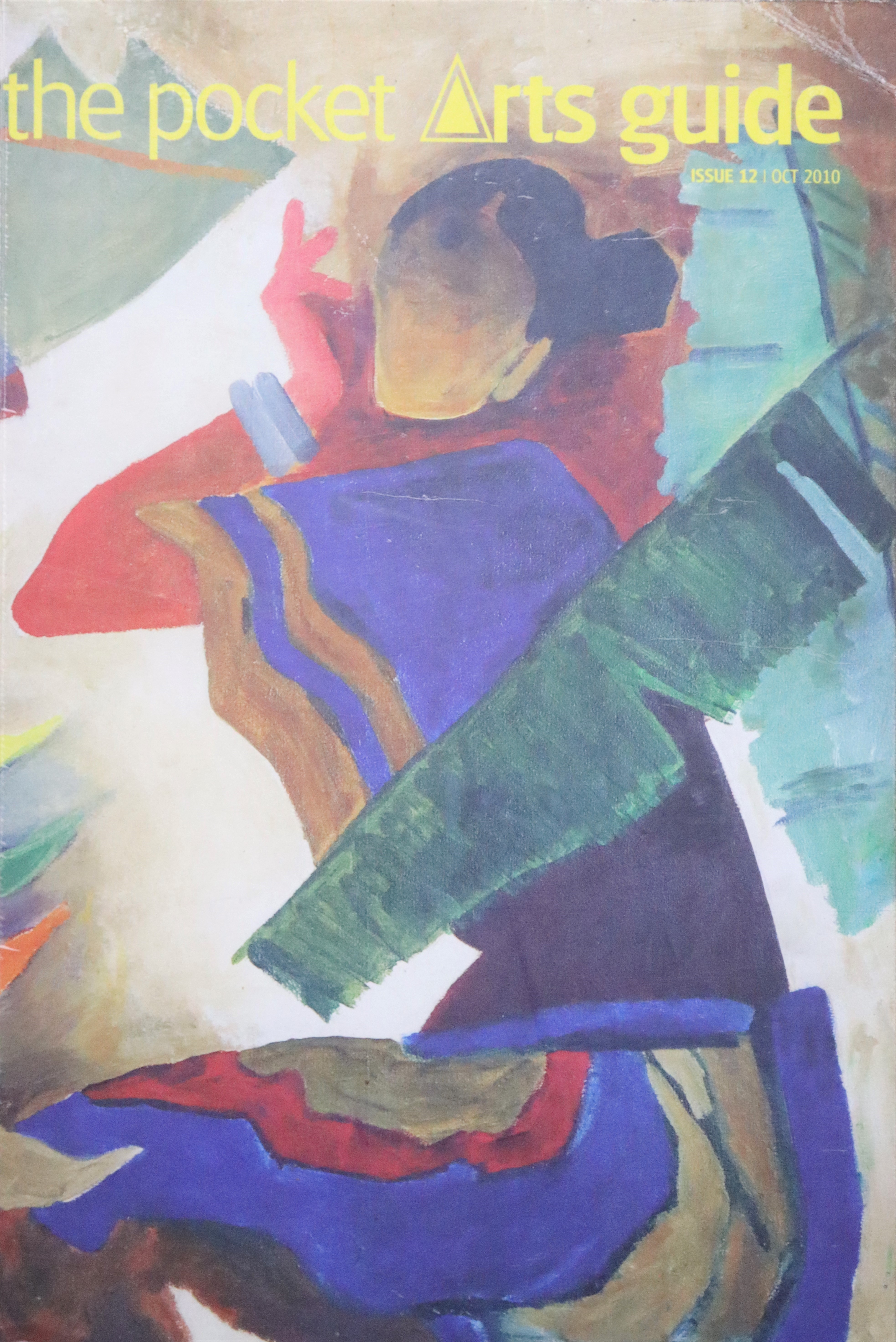
The Pocket Arts Guide
About
Summary
Exquisite
TOC
Details
URL
Images
Overview
The Short Story of Art: A Pocket Guide to Key Movements, Works, Themes & Techniques by Susie Hodge, published in 2017, is a concise and accessible introduction to the history of art. Although your query mentions "The Pocket Arts Guide" published in 2010, the available search results most closely match Hodge’s widely recognized work, which serves as a comprehensive pocket guide to understanding art’s evolution, major movements, seminal works, and key techniques. This book is structured to demystify art history for both newcomers and enthusiasts, offering clear explanations and cross-references that connect artists, periods, and styles.Hodge’s guide explores 50 significant artworks, spanning from prehistoric cave paintings at Lascaux to contemporary installations by artists like Damien Hirst. Each featured work is linked to broader discussions on art movements, themes, and techniques, helping readers grasp not only what art is, but also why and how it has changed over time. The book’s design prioritizes ease of navigation, making it an ideal reference for students, educators, and general readers.
Importance of Book
The Short Story of Art stands out for its clarity, brevity, and breadth. It simplifies complex art historical narratives, making them approachable without sacrificing depth or accuracy. The book’s cross-referencing system encourages independent exploration, inviting readers to draw connections between different artists, movements, and themes.Its importance lies in its ability to:Serve as a foundational text for those new to art history.Act as a quick reference for educators and students.Inspire further study and appreciation of art by demystifying its language and history.
Key Themes
1. Art Movements and Historical ContextsThe book covers a spectrum of art movements, from Prehistoric and Ancient art through the Renaissance, Baroque, Modernism, and into Contemporary art.Each movement is contextualized, explaining its origins, key figures, and the social or technological changes that influenced its development.2. Seminal Works and ArtistsFifty key artworks are analyzed not just for their aesthetic value but for their historical and conceptual significance.The selection includes both famous masterpieces and lesser-known but pivotal works, emphasizing their role in shaping art history.3. Techniques and MaterialsHodge explains various artistic techniques—painting, sculpture, installation, mixed media—and how innovations in materials and methods have driven artistic evolution.The book also decodes artistic jargon, making technical concepts accessible to all readers.4. Thematic ConnectionsRecurring themes such as identity, power, religion, nature, and abstraction are traced across different periods and styles.The guide highlights how artists respond to and reflect the societies in which they live, using their work to comment on or challenge prevailing norms.
Cultural Significance
This guide contributes significantly to the democratization of art appreciation. By presenting art history in a compact, visually engaging, and jargon-free format, it lowers barriers to entry for a wider audience. The book’s global perspective—though primarily focused on Western art—acknowledges the interconnectedness of artistic traditions and the influence of broader cultural and historical forces.Moreover, by featuring not only canonical works but also those that have been underrepresented in mainstream narratives, the book subtly challenges the traditional Eurocentric focus of art history. It encourages readers to consider art as a dynamic, evolving conversation that spans cultures and centuries.
Effects on Society
While The Short Story of Art is not a work of political activism, its impact is felt in educational and cultural sectors:It has become a staple in classrooms and libraries, supporting art education at various levels.By making art history more accessible, it fosters greater cultural literacy and appreciation among the public.The book’s approach helps bridge the gap between academic art history and everyday cultural experience, encouraging more people to engage with museums, galleries, and creative practices.In societies where art education is often marginalized, resources like this guide play a crucial role in sustaining interest in the arts and nurturing future artists, historians, and patrons.
Conclusion
The Short Story of Art: A Pocket Guide to Key Movements, Works, Themes & Techniques is a valuable resource that distills the vast and complex history of art into an engaging, manageable format. Its clear structure, insightful commentary, and accessible language make it an essential tool for anyone seeking to understand or teach the story of art.By highlighting the connections between art, culture, and society, the book underscores the enduring relevance of artistic expression. It not only educates but also inspires curiosity and critical thinking, inviting readers to explore the world of art with fresh eyes. In doing so, it contributes to a more informed and culturally engaged society, reinforcing the importance of art as both a reflection of and catalyst for human experience.
Title
The Pocket Arts Guide
Publish Date
2010