
Mastery
About
Summary
Exquisite
TOC
Details
URL
Images
Overview
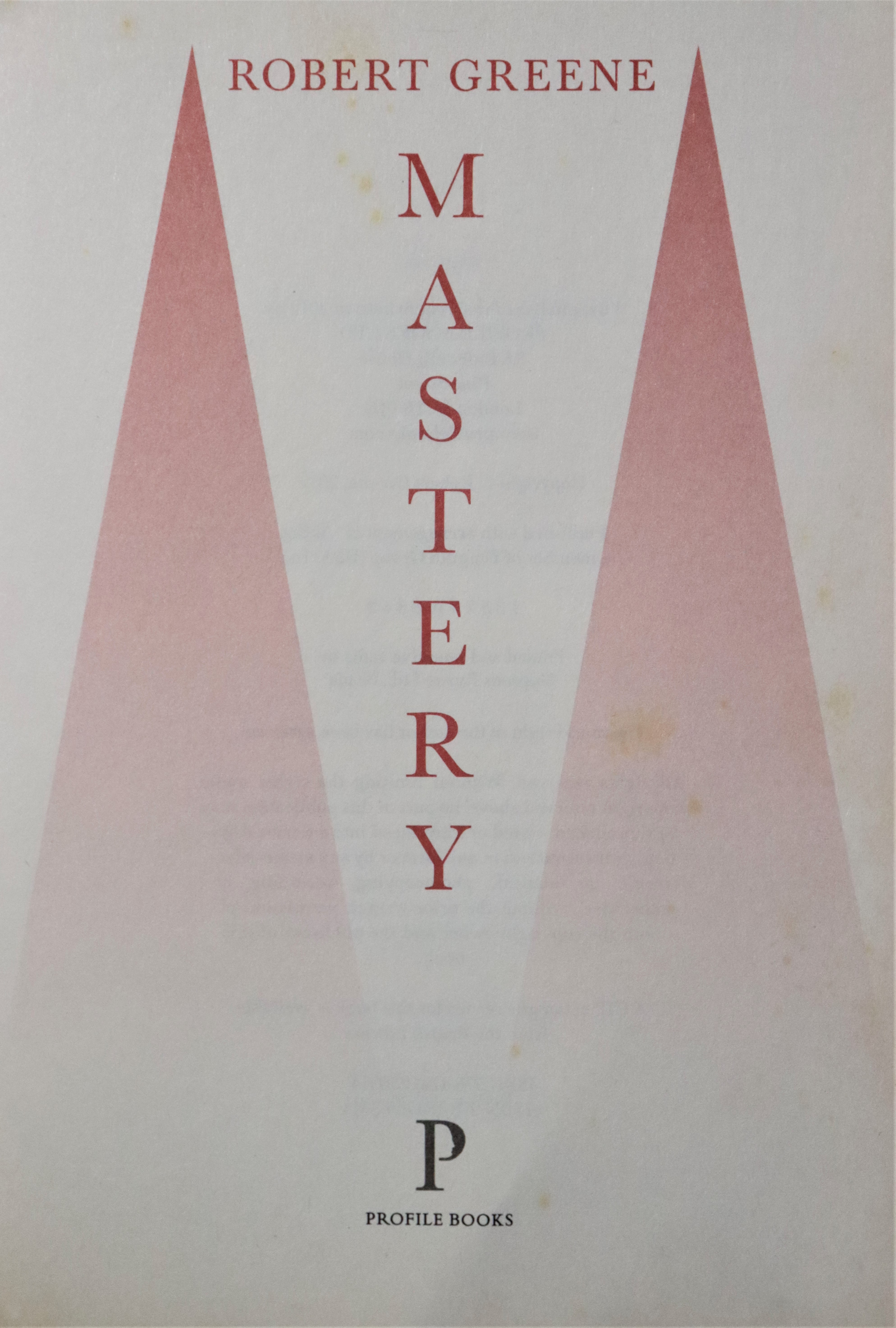
"Mastery," published by Profile Books in 2012, is a comprehensive guide to achieving excellence and creative power in any field through a process of deep learning, practice, and personal transformation. Robert Greene draws on extensive historical research and biographies of exceptional figures such as Charles Darwin, Leonardo da Vinci, and contemporary leaders to illustrate how mastery is attainable by following a systematic path. The book breaks down mastery into three main phases: Apprenticeship, Creative-Active, and Mastery itself. Greene emphasizes that mastery is not just technical skill but also involves social intelligence, creativity, and intuition developed over long-term commitment, often requiring around 20,000 hours of focused practice.
Importance of Book
Mastery" serves as a practical and philosophical roadmap for anyone seeking to excel beyond average competence. Unlike quick-fix self-help books, Greene’s work underscores the necessity of long-term dedication, resilience, and strategic learning. It demystifies the process of becoming a master by breaking it into actionable phases and providing historical and scientific validation. The book encourages readers to embrace struggle and setbacks as integral to growth, fostering a mindset that values deep work and continuous improvement.
Key Themes
1. The Apprenticeship Phase
This initial phase involves rigorous learning of the fundamentals and deep observation. Greene stresses humility, patience, and dedication to absorbing knowledge and skills without rushing. The apprentice must embrace challenges, setbacks, and repetitive work to build a strong foundation, often prioritizing learning over monetary rewards.2. The Creative-Active Phase
After mastering basics, the individual experiments and innovates, developing a unique style or approach. This phase requires pushing boundaries, making connections across disciplines, and overcoming emotional obstacles like boredom and impatience. Creativity flourishes when one expands knowledge beyond their immediate field and embraces serendipity.3. The Mastery Phase
At this pinnacle, the master achieves intuitive understanding and control over their craft. They can anticipate trends, make quick decisions, and innovate by bending or rewriting rules. Mastery involves a fusion of rational thought and intuition, yielding exceptional insight and problem-solving ability.4. The Role of Mentorship
Greene highlights the vital importance of mentors in accelerating learning and providing guidance. A good mentor aligns with the apprentice’s "Life’s Task" (inner calling) and helps the learner surpass their own limits. The mentor-protégé relationship is dynamic, eventually leading the apprentice to independence and innovation.5. Social Intelligence
Mastery is incomplete without understanding social dynamics. Greene discusses how interpersonal skills, reading people accurately, and managing relationships are crucial for success. Social intelligence helps avoid conflicts that could derail progress and enables effective collaboration and influence.6. The Life’s Task and Inner Calling
Central to Greene’s philosophy is discovering one’s unique passion or "Life’s Task," often rooted in childhood interests or innate inclinations. Aligning one’s career and efforts with this inner force is fundamental to sustaining motivation and achieving mastery.
Cultural Significance
Mastery" has resonated widely in cultures valuing innovation, creativity, and expertise. It challenges the modern tendency toward instant gratification by advocating for patience and perseverance. The book’s emphasis on mentorship and social intelligence also reflects contemporary shifts toward collaborative learning and emotional intelligence in professional environments. Greene’s use of diverse historical examples bridges cultural and temporal divides, making mastery a universal concept beyond any single society or profession.
Effects on Society
While "Mastery" is a global bestseller influencing readers worldwide, its impact is particularly notable in professional and creative communities where skill development is prized. It has inspired individuals to pursue lifelong learning and mastery in fields ranging from arts and sciences to business and sports. By promoting the value of apprenticeship and mentorship, the book supports educational and organizational models that emphasize experiential learning and personal growth. Societally, it encourages a shift from superficial achievement to meaningful expertise, potentially raising standards in various industries and fostering innovation.
Conclusion
Robert Greene’s "Mastery" is a profound exploration of what it takes to reach the highest level of creative and intellectual achievement. Through detailed phases of learning, experimentation, and intuitive control, Greene presents mastery as a path accessible to anyone willing to commit deeply to their craft. The book’s integration of historical anecdotes, psychological insights, and practical strategies makes it a timeless guide for personal and professional development. Ultimately, "Mastery" champions the idea that true excellence is born from passion, perseverance, and the courage to follow one’s unique inner calling.This summary encapsulates the essence of "Mastery" by Robert Greene, highlighting its core themes, significance, and societal impact based on extensive research and analysis of the book’s content.
Title
Mastery
Author
Robert Greene
Name of Publisher
Profile Books
Publish Date
2012